Group of 7 NABSSAR-Registered Babydoll Southdown
mature Ewes for sale
Will take bids thru September 15, 2026
For a serious Babydoll Southdown breeder or a new breeder who will be dedicated to the breed standard.
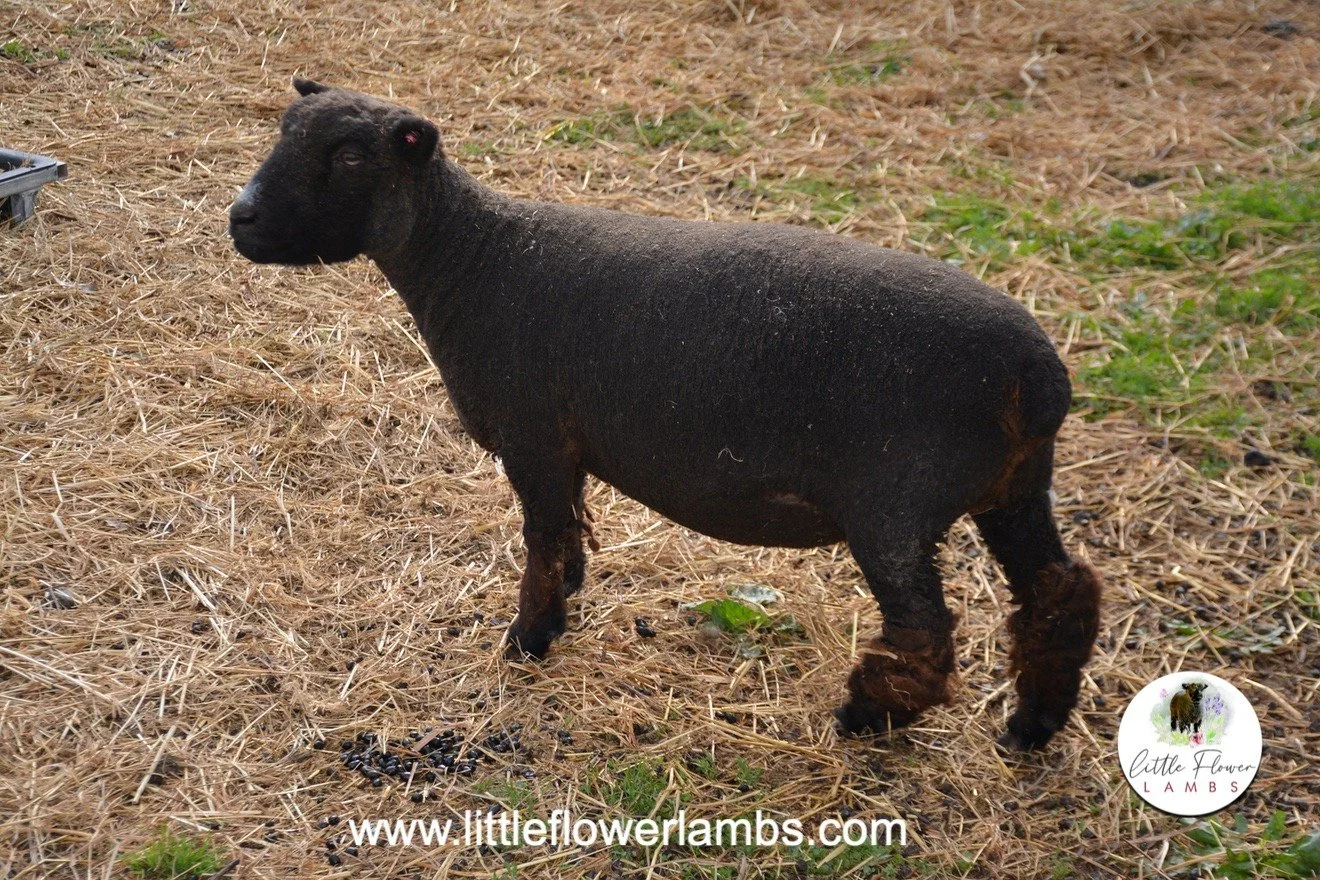
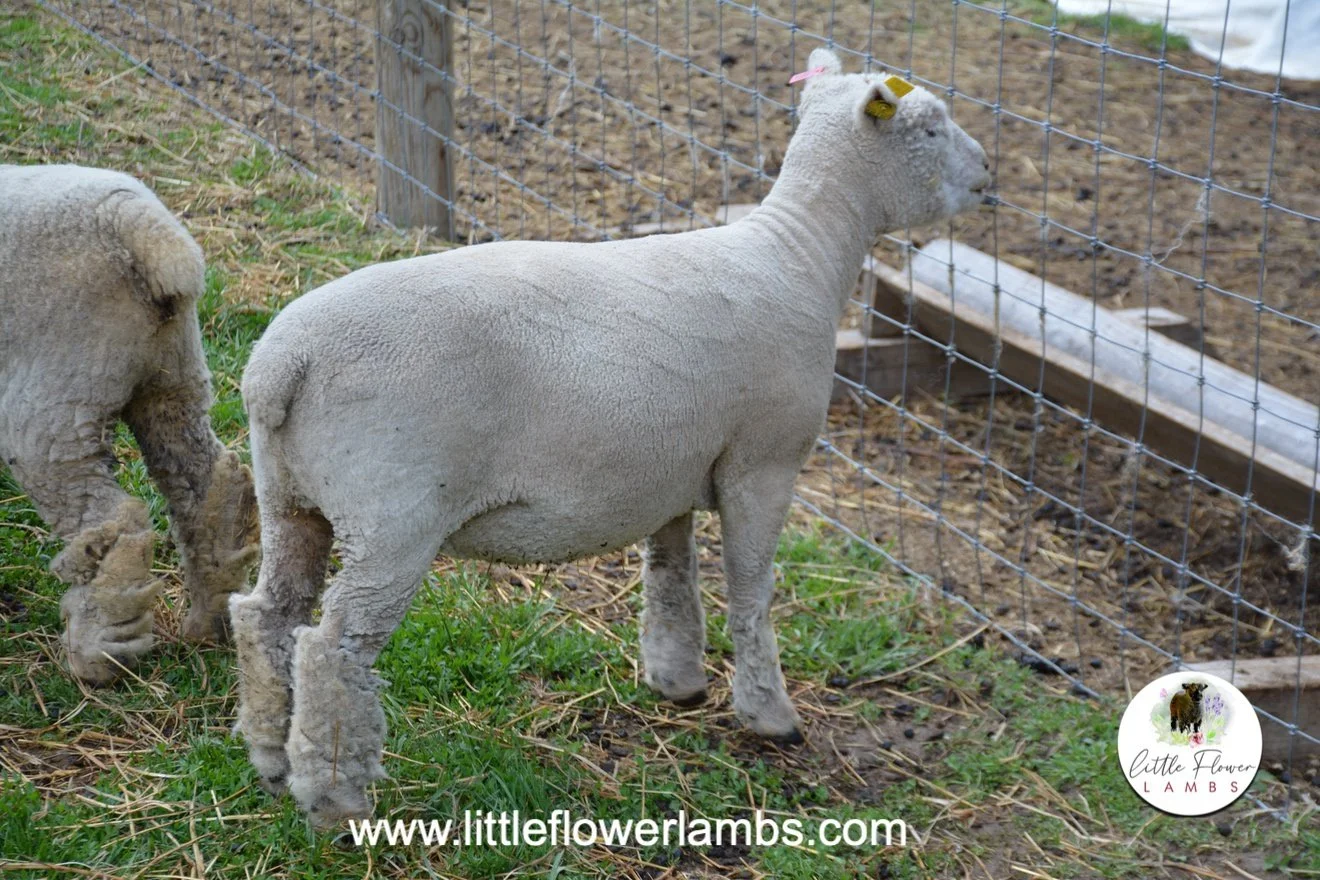
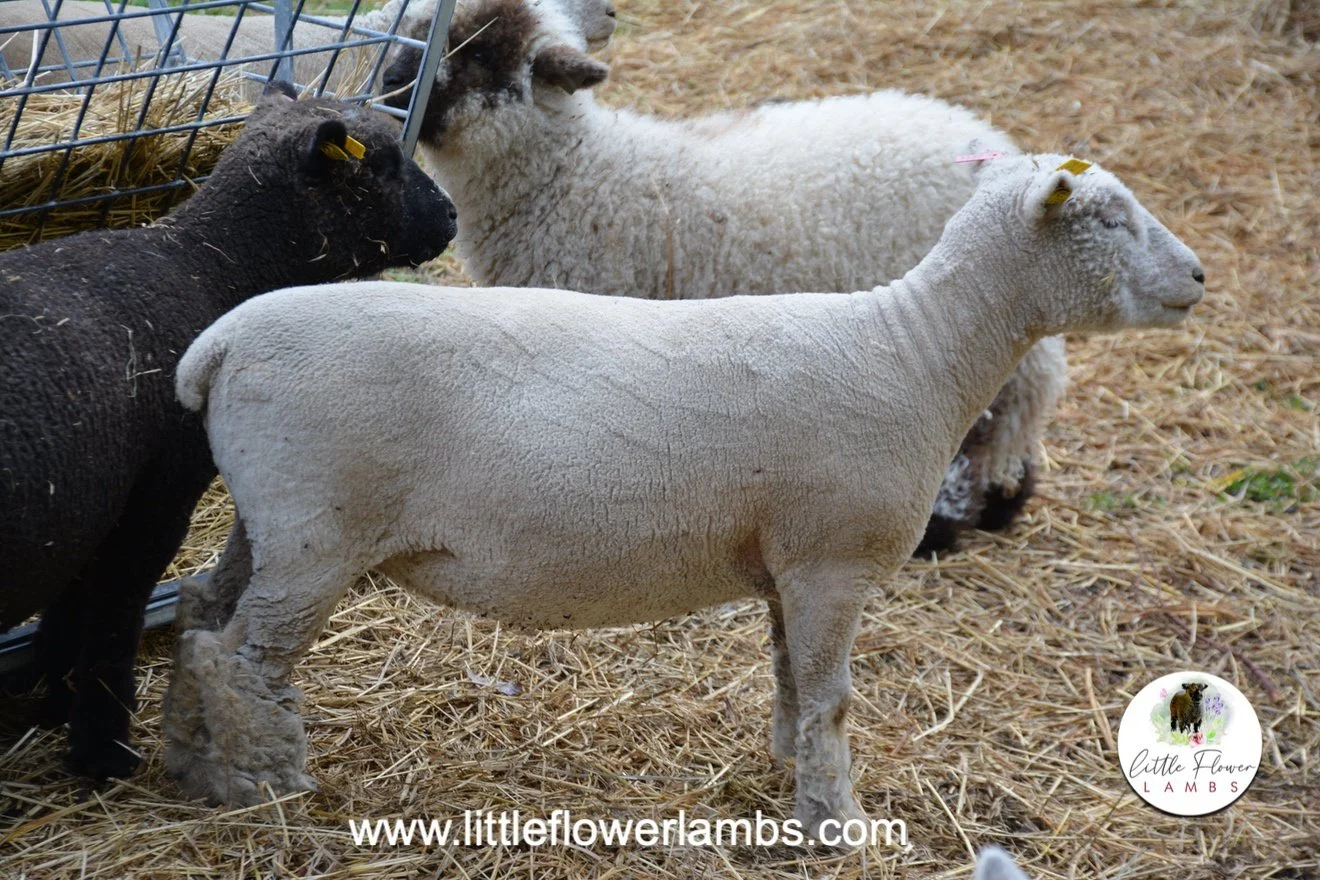
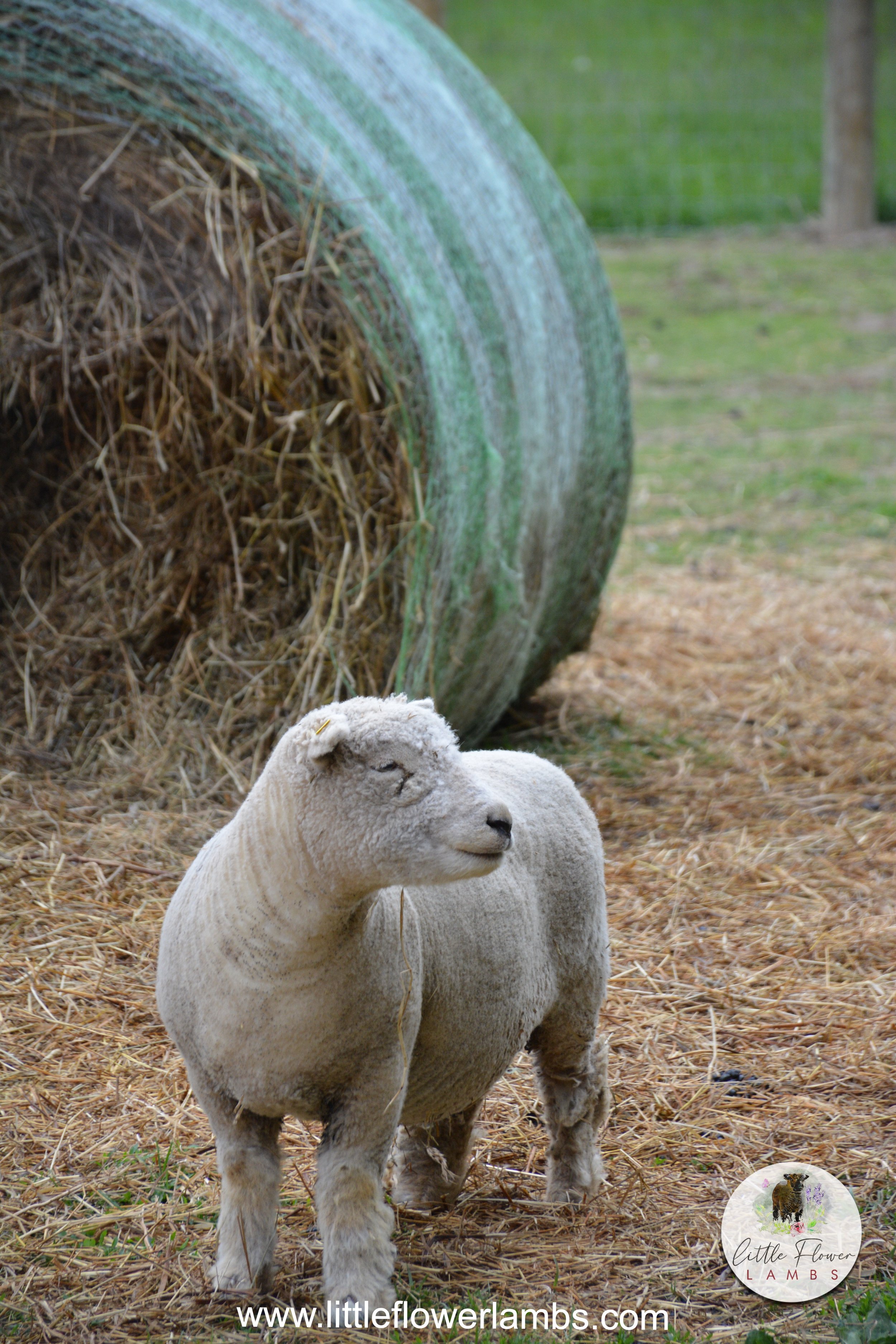
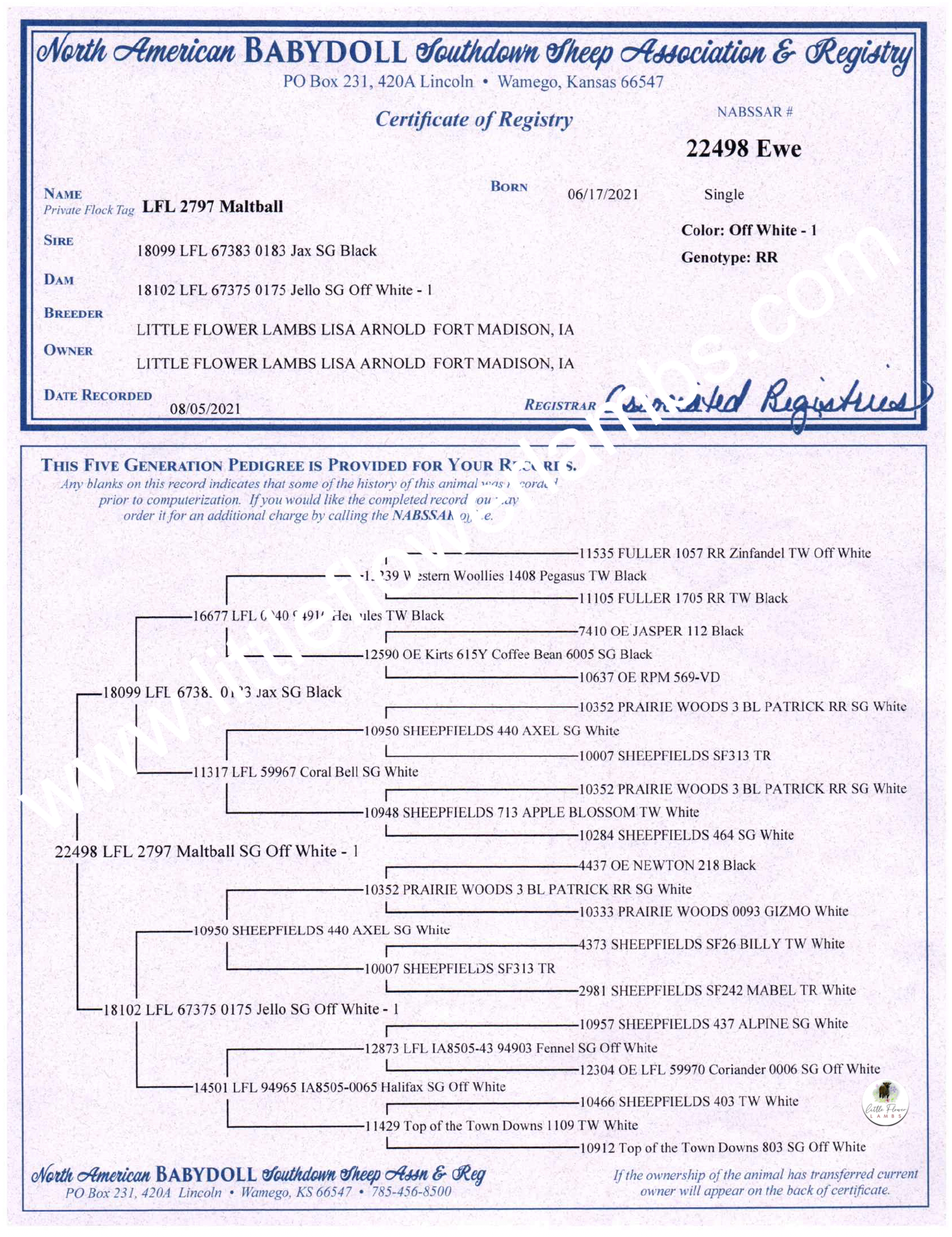
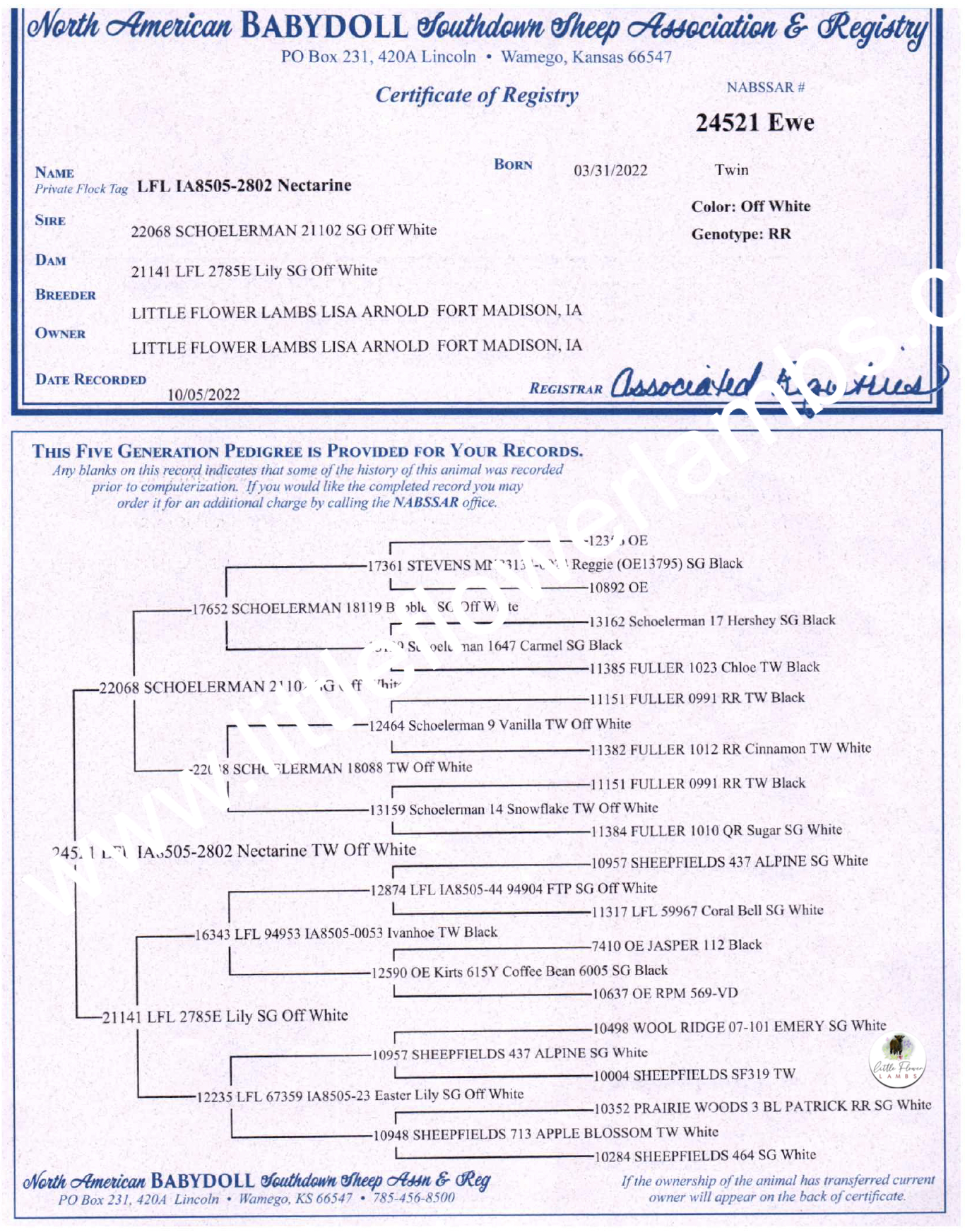
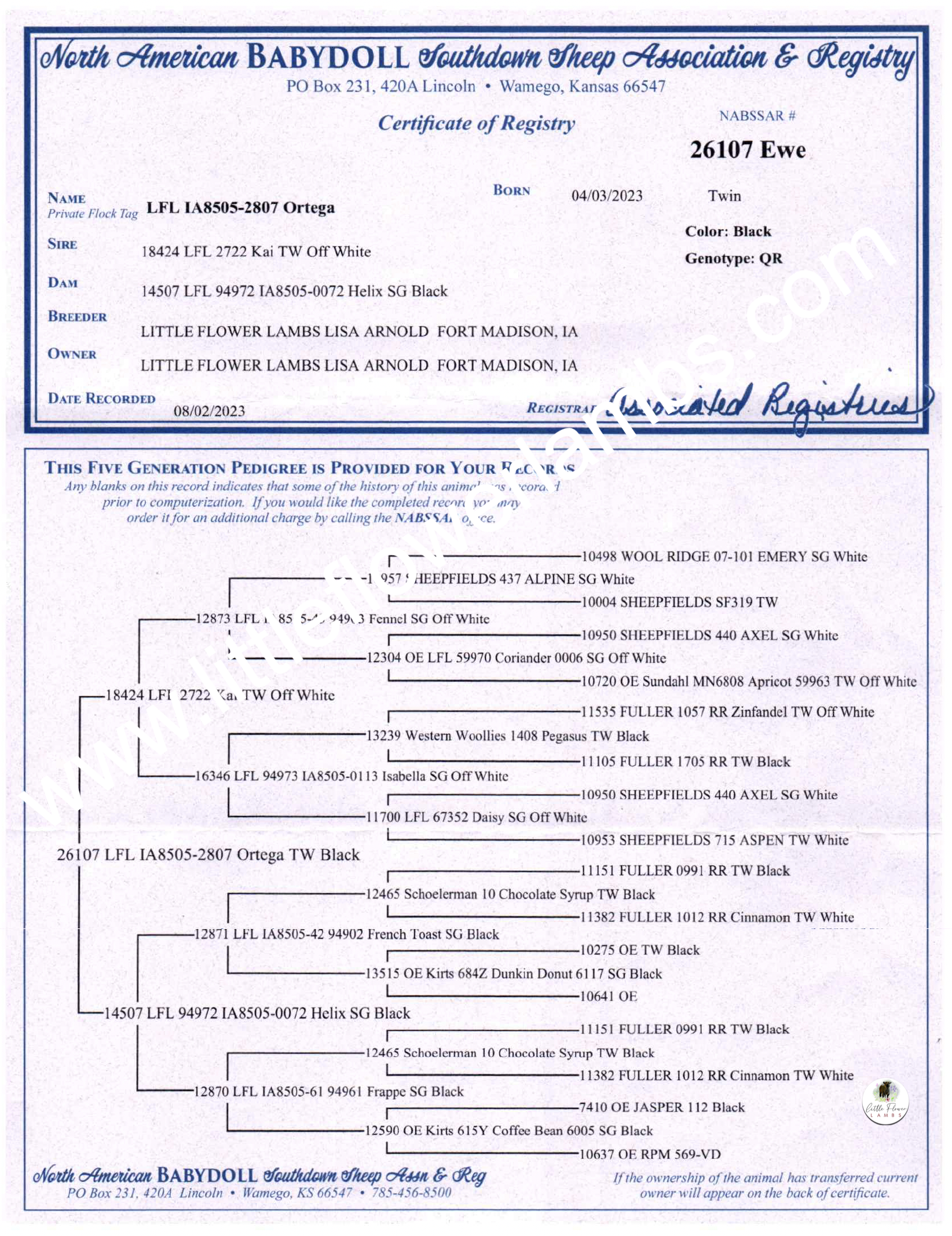
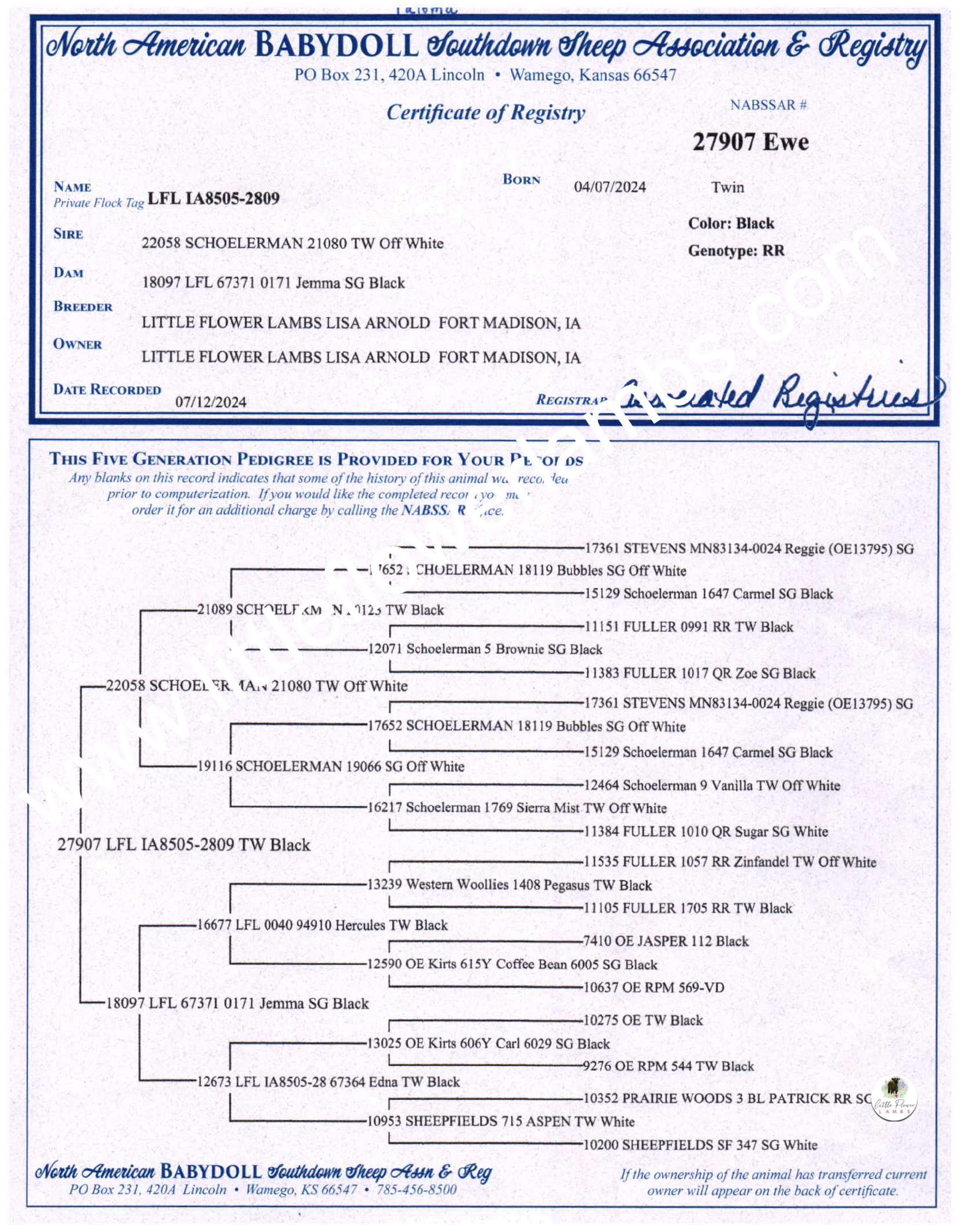
Ewe pedigrees
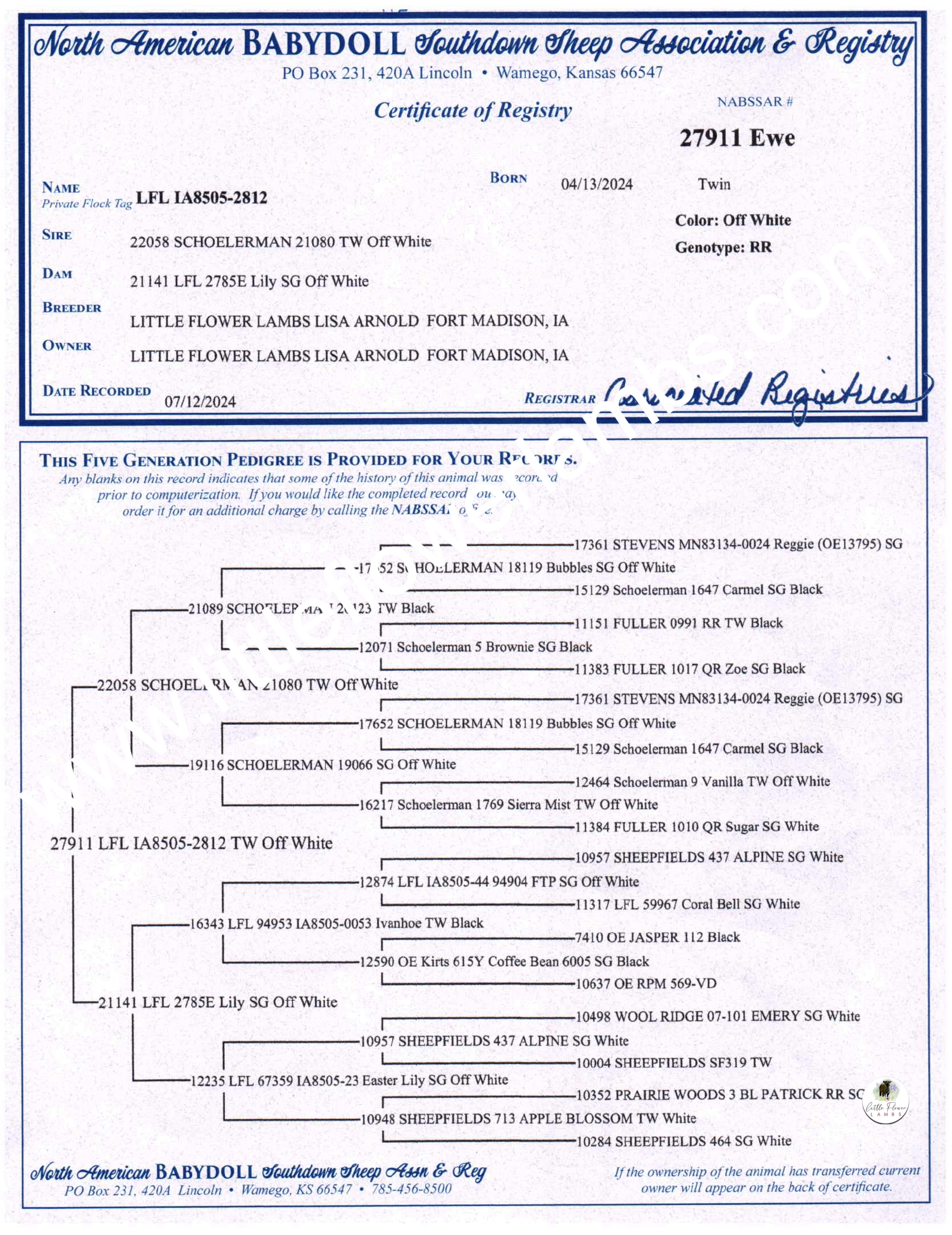
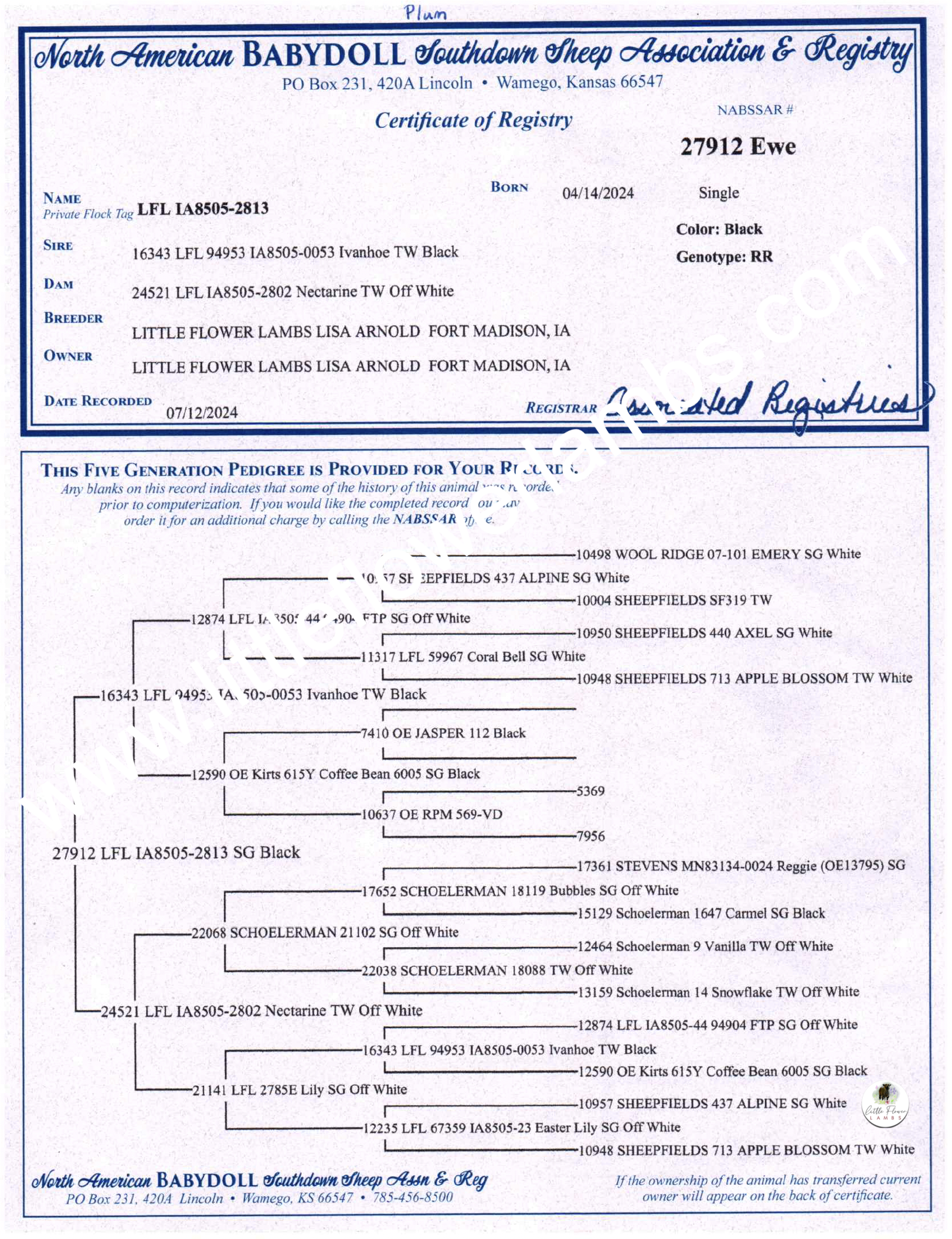
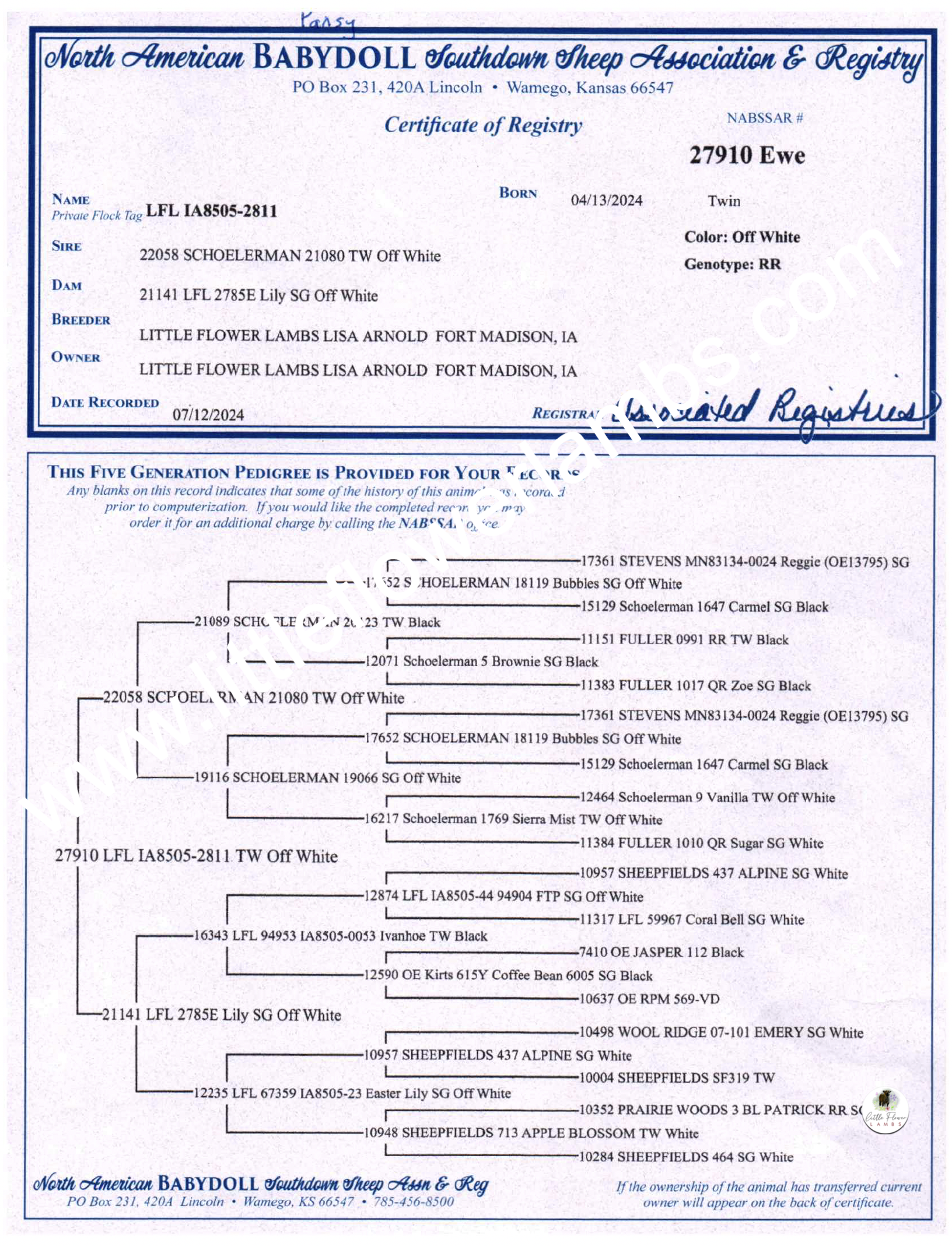
-
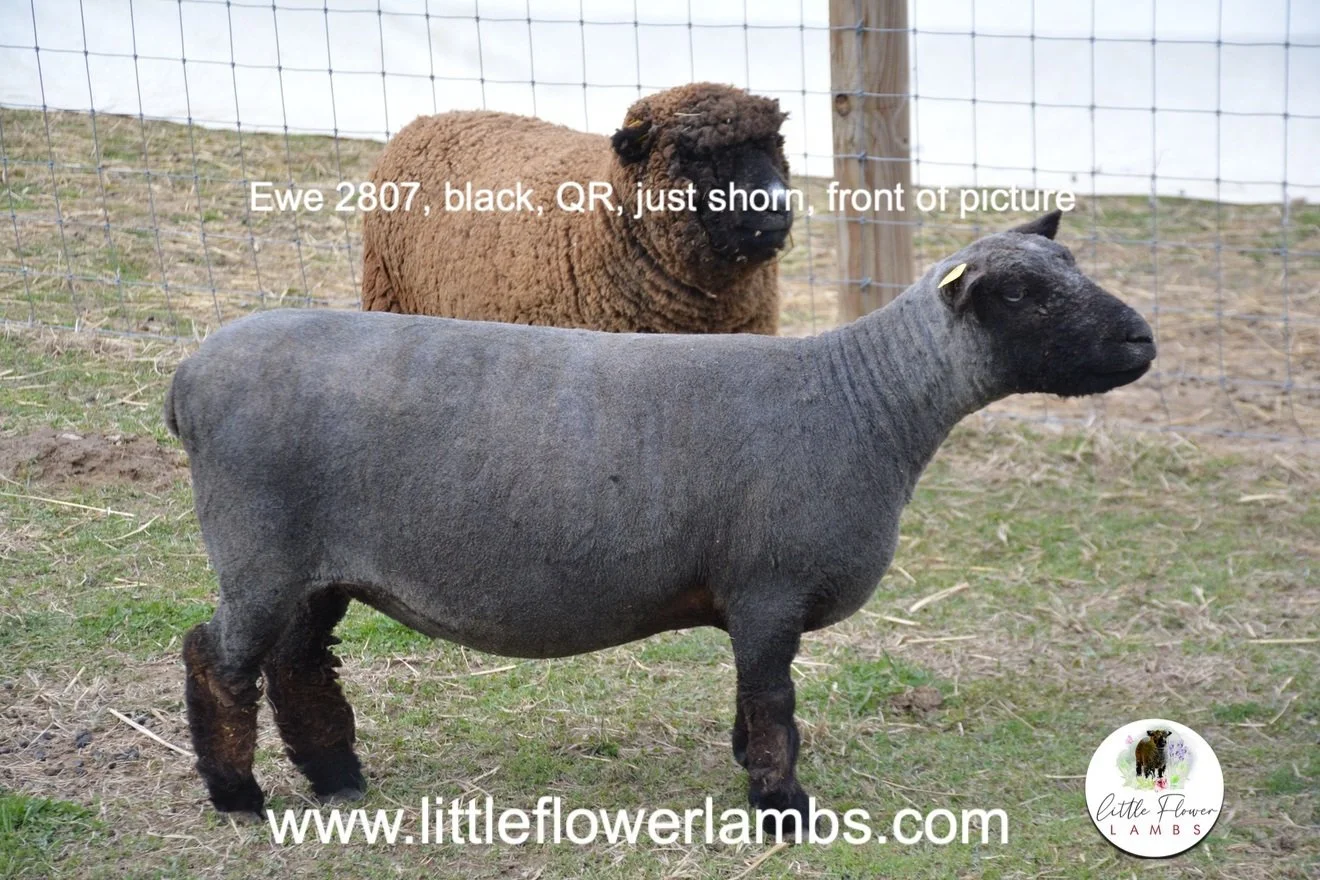
Black | Twin | Born 4/03/2023 | QR @ Codon 171 | NABSSAR-registered | Never bred
Good bite
-
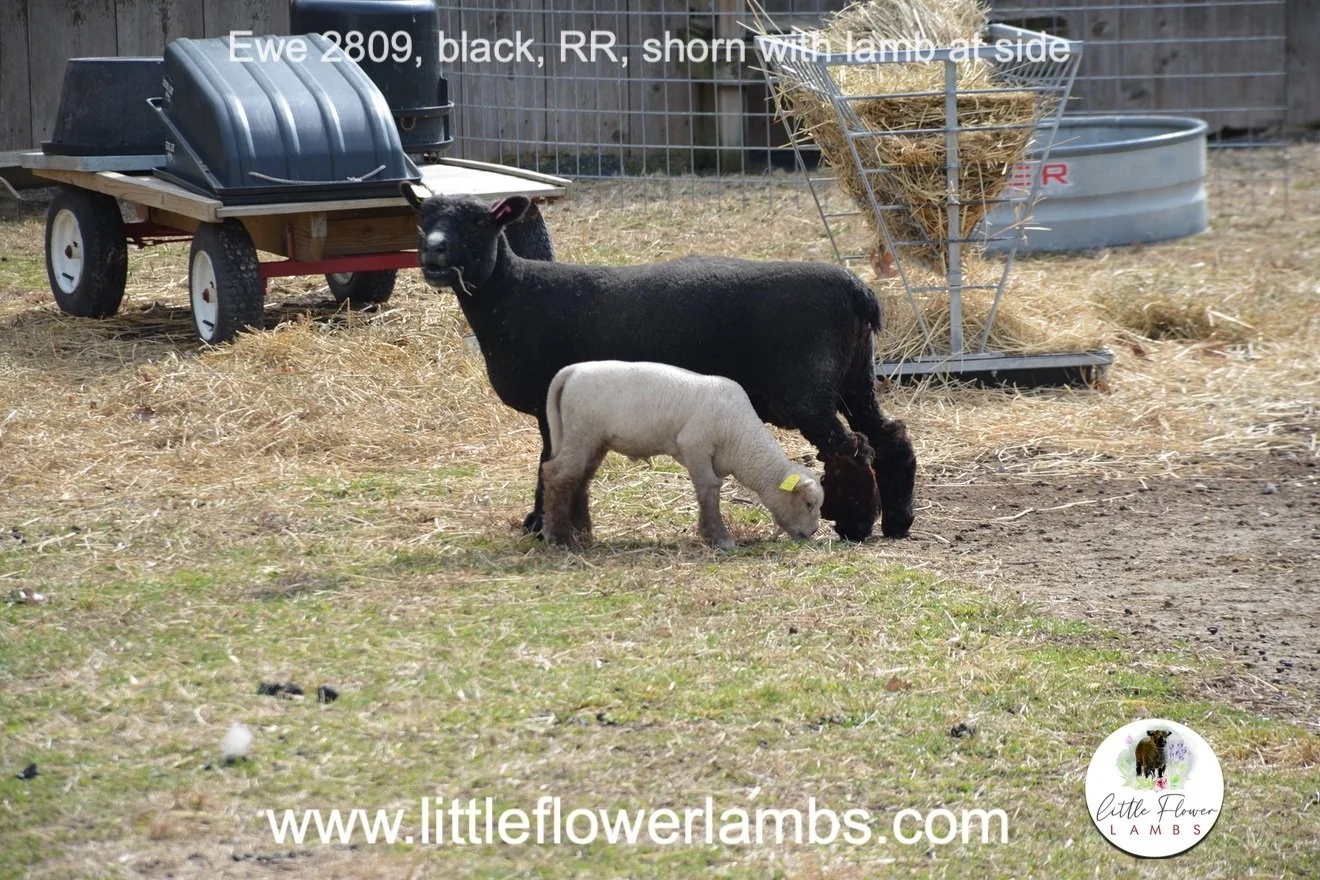
Black | Twin | Born 4/07/2024 | RR @ Codon 171 | NABSSAR-registered
Excellent mother
Solid
Easy lamber
Good bite
-
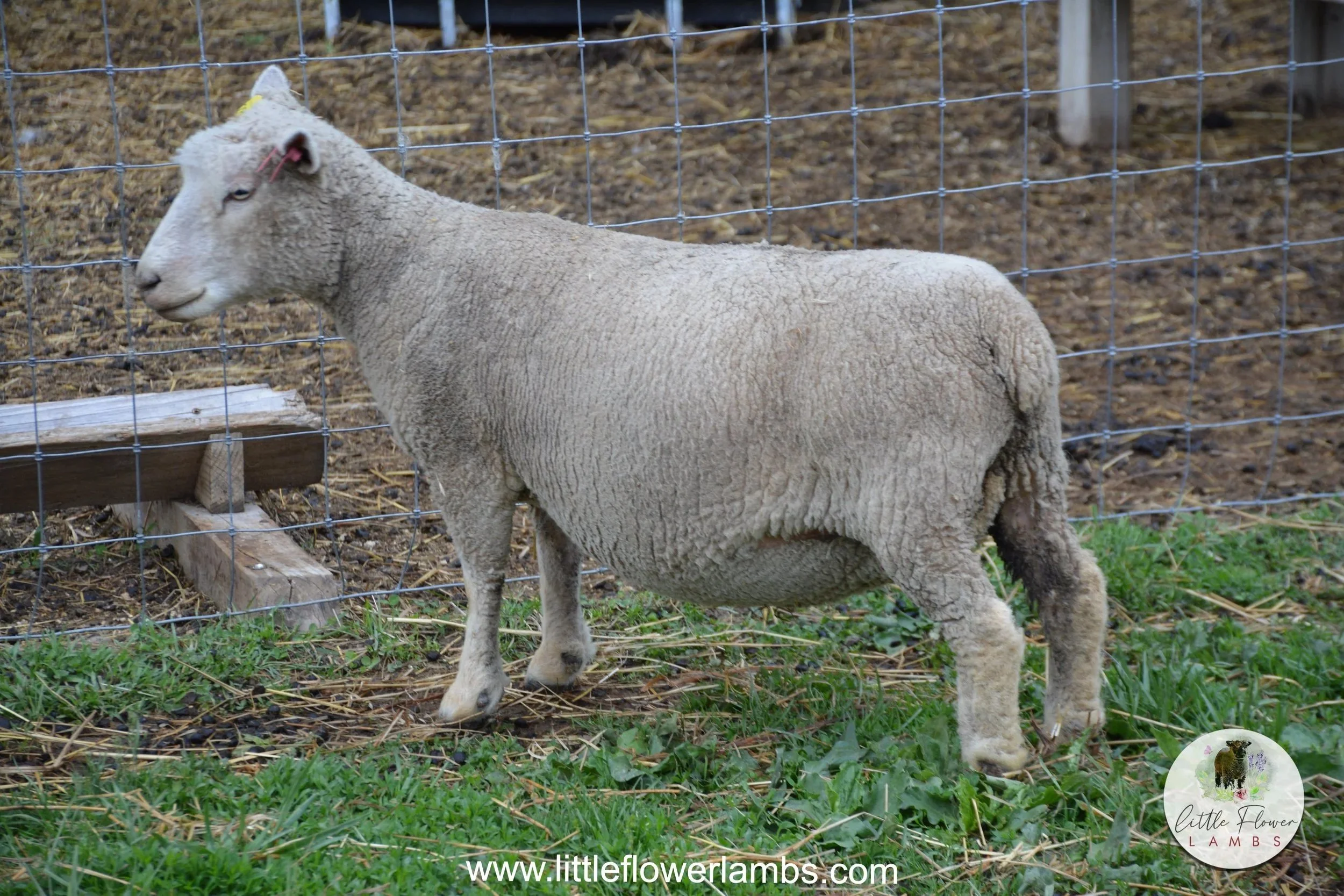
Off white | Twin | Born 3/31/2022 | RR @ Codon 171 | NABSSAR-registered | Never bred
Good bite
Scar
Produces particularly cute lambs
-
Black | Single | Born 4/14/2024 | RR @ Codon 171 | NABSSAR-registered | Never bred
Good bite
-
Off white | Twin | Born 4/13/2024 | RR @ Codon 171 | NABSSAR-registered | Never bred
Good bite
-
Off white | Twin | Born 4/13/2024 | RR @ Codon 171 | NABSSAR-registered | Never bred
Good bite
-
Off white | Single | Born 6/17/2021 | RR @ Codon 171 | NABSSAR-registered
Sound mother
Lovely type
Easy lamber
Good bite
Offers will be accepted until September 15, 2026 or until group is sold. We will diet the girls a little so that they will be ready for breeding in the fall, as they are a bit chunky. Make an offer using the button above. Group of 7 must stay together and not be resold within the first three years after purchase. We want them to have a good, stable home where they will be treasured and not turned around and sold.
After 17 years of Babydoll breeding, we are moving towards continuing our Valais/Babydoll crosses and away from our beautiful purebred Babydoll Southdowns, who undergird our new program with their sound genetics. This is a once-in-a-breeder’s lifetime opportunity to get a really nice group of mature ewes. All Babydoll ewes are NABSSAR registered. 6/7 are RR at Codon 171. 1/7 is QR. Four ewes are 2 years old, one is 3, one is 4 and one is 5. These are our remaining best seven girls after 17 years as a Babydoll breeder. LFL’s best genetics are behind these ewes, plus several Schoelerman rams. These girls have come from our best lambers, healthiest ewes, ewes with sound wool and conformation, ewes with best overall type, etc. We have not had any genetic diseases in our flock, no abortions, no birth defects. We have worked for many years to get so many nice, sound ewes who are also RR. We don’t keep them just because they are RR, but because we have found them to be excellent overall candidates for the future of the breed. These ladies have a history that is known, selected for and solid, all the way back on the LFL side. Their genetics are also uncommon, so they will have a high chance of matching well with most lines. There is no history of spotting behind them. All have good bites and have kept good condition.
#2811 “Pansy” and #2812 “Poppy” are a little smaller than the rest of the group. We hope that their genetics will continue to benefit the breed, so we would prefer a new owner who will be committed to the NABSSAR standard. Transportation will be at the arrangement and expense of the buyer. If you live within a five-hour drive of Fort Madison, IA, we may be able to assist with transportation ourselves. We have a few excellent transporters that we use and can arrange for transport of the sheep to you at your expense, but this will be your more expensive option.
All ewes are healthy, hardy, and easy keepers.
Questions and Answers
Q: Are these ewes proven breeders?
Three of the ewes—Maltball, Paloma, and Nectarine—have successfully lambed.
Nectarine has almost always had twins. Maltball has had singles. Paloma had her first lamb in the spring of ‘26; she had a single lamb and lambed very easily.
The remaining four ewes have not been bred.
As with any livestock purchase, no breeder can guarantee fertility. Until a ewe successfully conceives and produces a lamb, there is always some uncertainty. The same is true when purchasing lambs and raising them yourself. However, in my flock over seventeen years of breeding Babydolls, I have not experienced any infertility issues (except for a few sheep during my initial first two years of breeding, and those animals were removed from my breeding program).
Q: What has been selected for in this group of Babydoll ewes?
Over the past 17 years as a Babydoll Southdown breeder, my goal has been to retain sheep that are productive, hardy, healthy, easy keepers and having good type. No flock is perfect, and no breeder can guarantee perfect outcomes, but these ewes represent many years of careful selection for good breeding ability, good mothering, easy lambing, good structure/conformation, good bites and a healthy fleece.
Q: Why are you selling these ewes?
Over the past several years, I have gradually shifted my focus toward my crossbreeding program.
Because of that change, I have bred my Babydolls less frequently than I once did. I don’t want to lose their Babydoll genetics to the breed since my focus has changed and I have put their genes into my newer BabyValais program.
I will continue keeping a few Babydoll ewes and rams, but I would like to see this group move to a new breeder who plans to continue developing and preserving the genetics they represent.
Q: What can you tell me about the genetics behind these girls?
These are purebred registered Babydoll Southdowns.
I have been a lifetime NABSSAR member for 17 years. The pedigrees for these girls are available on my website.
I began with Diane Spisak's Sheepfields genetics in 2009 and gradually expanded from there, incorporating strong rams from around the country and later using several of my own rams that met my standards and complemented my ewes.
There are many nice Babydolls behind these girls, and I believe they carry genetics that deserve to be preserved and carried forward.
Q: What can you tell me about fertility and twinning?
Generally speaking, if a ewe is exposed to a fertile ram for at least one breeding cycle, plus an additional 3 days, and is in proper breeding condition, she should settle.
I have found that maintaining a body condition score around a 3 and offering a small amount of grain around breeding time can sometimes encourage twinning.
In my experience, body condition plays a role in reproductive success, and Babydolls perform best when they are fit rather than overly fat. Four of these girls are prime breeding age: 2 years old. The remaining three are older, but well worth getting a few lambs from them before they age out in order to get the benefits of their solid genetics into your breeding program.
Q: What can you tell me about movement and structure?
My girls are average movers with nice structure. Their movement is best when they are carrying proper condition.
I did own one ram with truly exceptional movement, and I bred him to several ewes. Maltball carries that influence through Jax in her pedigree, but movement in my group is average and not exceptional.
The fatter Babydolls become, the worse they tend to move, as a general rule.
Q: What can you tell me about lambing?
Babydolls generally require more supervision during lambing than many larger sheep breeds. Although I have selected for easier lambing throughout my breeding program, responsible shepherding still requires close observation during lambing season.
Most births proceed normally; occasional assistance may be needed, just as with any sheep breed, but more so with smaller-framed sheep. We have tried not to breed ewes that are too small in order to preserve good lambing ability. The NABSSAR standard is a good rule to shoot for — ewes that are between 18 and 24 inches in height with good hip development before breeding. We usually breed at around 18 months of age with lambing right around age 2 and this has worked very well for us over the years.
Q: What are these ewes currently eating?
Babydolls are among the hardiest sheep breeds. My ewes do very well on orchard grass hay and generally require very little supplemental feed. I typically reserve alfalfa and modest grain supplementation for late pregnancy and lactation.
One of the blessings—and challenges—of Babydolls is that they gain weight very easily. This is mostly a positive because if you put them out on forage, they will tend to get very rotund, so you do not have to work to get them to gain weight, like some sheep breeds. If you want to prepare them for breeding, it is best to keep them on a dry lot a few months prior to breeding and ration the hay carefully, as they are a very hardy, healthy sheep and they will always tend to eat too much if given the opportunity. Before breeding, a condition score of around a 3 is ideal.
Q: What can you tell me about their wool?
At one point, I focused heavily on improving wool quality in my black Babydolls and developed a particularly nice group/line.
Babydolls are sheared annually, and have a springy, bouncy fleece. My ewes carry some of the longer, denser wool in their black LFL lineage. Most of my current ewes have nice, standard fleeces with 2.5 inch staple lengths and dense fleeces.
Q: What is your philosophy as a breeder?
One of the lessons I have learned over the years is that you cannot improve everything at once.
First, you eliminate faults. Then you gradually work on specific traits such as:
Overall breed type
Structure/conformation
Lambing ease
Maternal ability
Wool quality
Movement
Meat quality
Facial correctness and good smiles
That is part of the adventure of breeding.
I also believe breeders should value what they have and not spend all their time chasing perfection. They should start with good stock because it is not possible to correct everything, even after many years, if you don’t already start with basically sound sheep.
Breed standards matter, but so do health, happiness and the ability to adapt well to the environment.. Every breeding decision should ultimately benefit both the sheep and the breed. Every shepherd should love his or her sheep and be proud of them, not wishing they were something different. Take time at the beginning to figure out what you like and start there. You can then develop from that base. Be sure to study the NABSSAR standard before purchasing sheep. It helps you appreciate what you have and move in a good direction as a breeder.
Q: Have poor bites or other defects been an issue?
Any sheep with poor bites have been removed from my breeding program. We have had no birth defects in our lines.
Poor bites and undescended testicles are two issues that can be difficult to evaluate from a distance, which is why I always recommend asking breeders specifically about them before purchasing sheep as inexperienced breeders sometimes don’t think to look into the mouths of their lambs and therefore, may miss poor bites or teeth problems.
Q: What registration paperwork comes with the sheep?
Upon receipt of full payment, I will sign the registration papers over to the buyer. NABSSAR will then process the transfer and issue new registration certificates in the buyer's name. In my experience, the process can take some time, but it has always been completed successfully.
Q: How does the bidding process work?
With 2026 being my first foray into an auction-style sale, I prefer not to disclose current bidding levels because I believe buyers are happiest when they do their research, seek the Lord's guidance, and submit a bid that reflects their own judgment and their own value over the particular qualities of the sheep they are bidding on, rather than reacting to competitive pressure, so I will try to lean away from competitive bidding where-ever possible.
Q: Is delivery available?
Yes, but only limited. The buyer is responsible for arranging transportation and paying the transporter.
We have a local person who is willing to transport the sheep within approximately four hours of Fort Madison, IA. We also have reputable transporters who can deliver to most states, though buyers may have to wait for a slot and will have to pay the transporter directly. Prices can be more expensive that way, so picking up the sheep yourselves is another good option, if you would like.
Q: What is most important to you about this sale?
More than anything, I hope these girls go to someone who will really treasure them and appreciate the many years of careful breeding that is behind them.
I hope their new owner will continue preserving this hardy, productive, and delightful breed while making thoughtful breeding decisions that respect both the Babydoll standard and the well-being of the sheep themselves.